
How to Choose the Right Cat Bowl: Whisker Fatigue & Feeding Mat Guide
Does Your Cat Eat Reluctantly or Paw Food Out of the Bowl?
If your cat approaches their food bowl, takes a few bites, then walks away — only to come back hungry minutes later — you might be dealing with whisker fatigue. It's more common than most cat parents realise, and the fix is simpler than you'd think: the right bowl.
This guide breaks down everything you need to know about choosing a whisker-friendly cat bowl, why feeding mats matter, and what to look for when shopping in India.
What Is Whisker Fatigue?
Cats' whiskers are highly sensitive sensory organs. When they repeatedly brush against the sides of a deep or narrow bowl while eating, the constant stimulation causes discomfort — sometimes called whisker fatigue or whisker stress. Signs include:
- Eating only the centre of the bowl and leaving food on the sides
- Pawing food out onto the floor before eating
- Acting hungry but refusing to eat from the bowl
- Seeming agitated or restless around mealtimes
The solution? A wide, shallow bowl that lets your cat eat without their whiskers touching the sides.
What Makes a Bowl "Whisker Friendly"?
Look for these features:
- Wide diameter: The bowl should be wide enough that whiskers don't graze the edges
- Shallow depth: Especially important for wet food and raw feeding
- Stable base: Cats dislike bowls that slide or tip — a weighted or non-slip base helps
- Easy to clean: Ceramic and stainless steel are more hygienic than plastic, which can harbour bacteria in micro-scratches
Why a Feeding Mat Matters
A feeding mat does more than protect your floor. It:
- Defines a clear feeding zone, which can reduce anxiety in multi-cat households
- Catches spills and food scatter (especially with enthusiastic eaters)
- Is easier to clean than scrubbing the floor after every meal
- Adds a polished, intentional look to your cat's feeding corner
Silicone mats are the easiest to wipe clean; fabric mats are softer underfoot but need more frequent washing.
Ceramic vs Stainless Steel vs Plastic: Which Is Best?
Ceramic: Our top pick. Heavy enough to stay put, easy to clean, and aesthetically beautiful. Ideal for cat parents who care about their home's look as much as their cat's comfort.
Stainless Steel: Durable and hygienic, but can feel cold and may reflect light in ways that startle some cats.
Plastic: Affordable but not recommended long-term. Scratches harbour bacteria, and some cats develop chin acne from plastic bowls.
How Many Bowls Does Your Cat Need?
The general rule: one bowl per cat, plus one extra. For water, cats prefer their water source away from their food (instinct tells them water near a kill may be contaminated), so a separate water bowl — or a cat fountain — placed in a different spot is ideal.
Shop Whisker-Friendly Cat Bowls & Feeding Mats
We've curated a range of wide, shallow ceramic bowls and feeding mats designed with your cat's comfort in mind — and your home's aesthetic too.
👉 Browse Whisker Friendly Cat Bowls & Feeding Mats
👉 Shop All Premium Cat Essentials
Also Worth Exploring
If you're setting up a complete feeding station for your cat, pair a good bowl with a comfortable resting spot nearby:
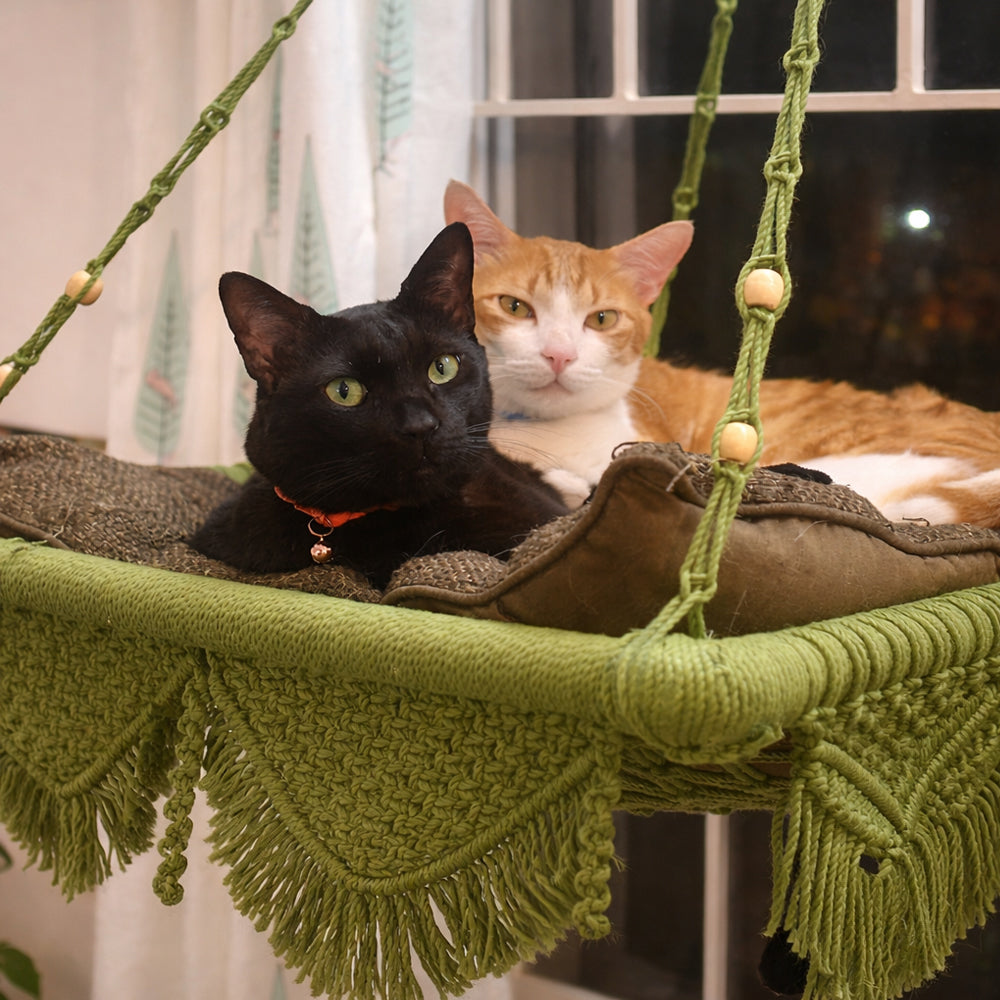
👉 Handmade Hammocks for Cats — a cosy post-meal nap spot your cat will love.
At Soulpurrpose, every product is chosen with real cats in mind — inspired by life with Neo, Bob, and Mia.
Written by Soulpurrpose .
Varsha Saxena, Founder of Soulpurrpose


Leave a comment
This site is protected by hCaptcha and the hCaptcha Privacy Policy and Terms of Service apply.