

10 Essential Cat Items Every New Cat Parent Needs in 2026
- Understanding Your Feline Companion's Essential Needs
- The Foundation of Responsible Cat Parenthood
- Nutritional Infrastructure and Feeding Essentials
- Whisker-Friendly Feeding Solutions
- Hydration Station Setup
- Creating a Comprehensive Comfort Zone
- Rest and Recuperation Spaces
- Behavioral Enrichment and Mental Stimulation
- Scratching Infrastructure
- Interactive Engagement Tools
- Health and Safety Fundamentals
- Collar Safety and Identification Systems
- Grooming and Hygiene Maintenance
- Transportation and Mobility Solutions
- Carrier Selection Criteria
- Litter Management Systems
- Litter Box Configuration
- Substrate Selection and Management
- Emergency Preparedness and First Aid
- Essential First Aid Components
- Frequently Asked Questions About Essential Cat Items
- Building Long-Term Success Through Quality Investments
Understanding Your Feline Companion's Essential Needs
Welcoming a feline companion into your domicile represents a transformative journey that demands meticulous preparation and understanding. Every seasoned cat parent recognizes that success hinges on procuring the appropriate accouterments before your whiskered friend crosses the threshold. The art of feline husbandry extends far beyond mere affection—it requires strategic investment in quality provisions that ensure your cat's physiological and psychological wellbeing.
The contemporary cat parent faces an overwhelming marketplace saturated with options. However, discerning between essential necessities and superfluous accessories becomes paramount when establishing your initial feline care arsenal. Each item serves a specific purpose in creating an environment where your cat can exhibit natural behaviors while maintaining optimal health.
The Foundation of Responsible Cat Parenthood
Establishing a comprehensive care system begins with understanding feline instinctual requirements. Cats possess inherent behaviors including scratching, climbing, hunting simulation, and territorial marking through scent distribution. Your preparation must accommodate these intrinsic behaviors while providing comfort and security.
Modern veterinary science emphasizes preventive care through environmental enrichment. This approach recognizes that physical health intertwines with mental stimulation and environmental satisfaction. Consequently, your essential items list must address both immediate survival needs and long-term behavioral wellness.
Nutritional Infrastructure and Feeding Essentials
Proper nutrition forms the cornerstone of feline health, making feeding apparatus selection critically important. The market offers numerous feeding solutions, yet understanding your cat's physiological requirements guides optimal choices.
Whisker-Friendly Feeding Solutions
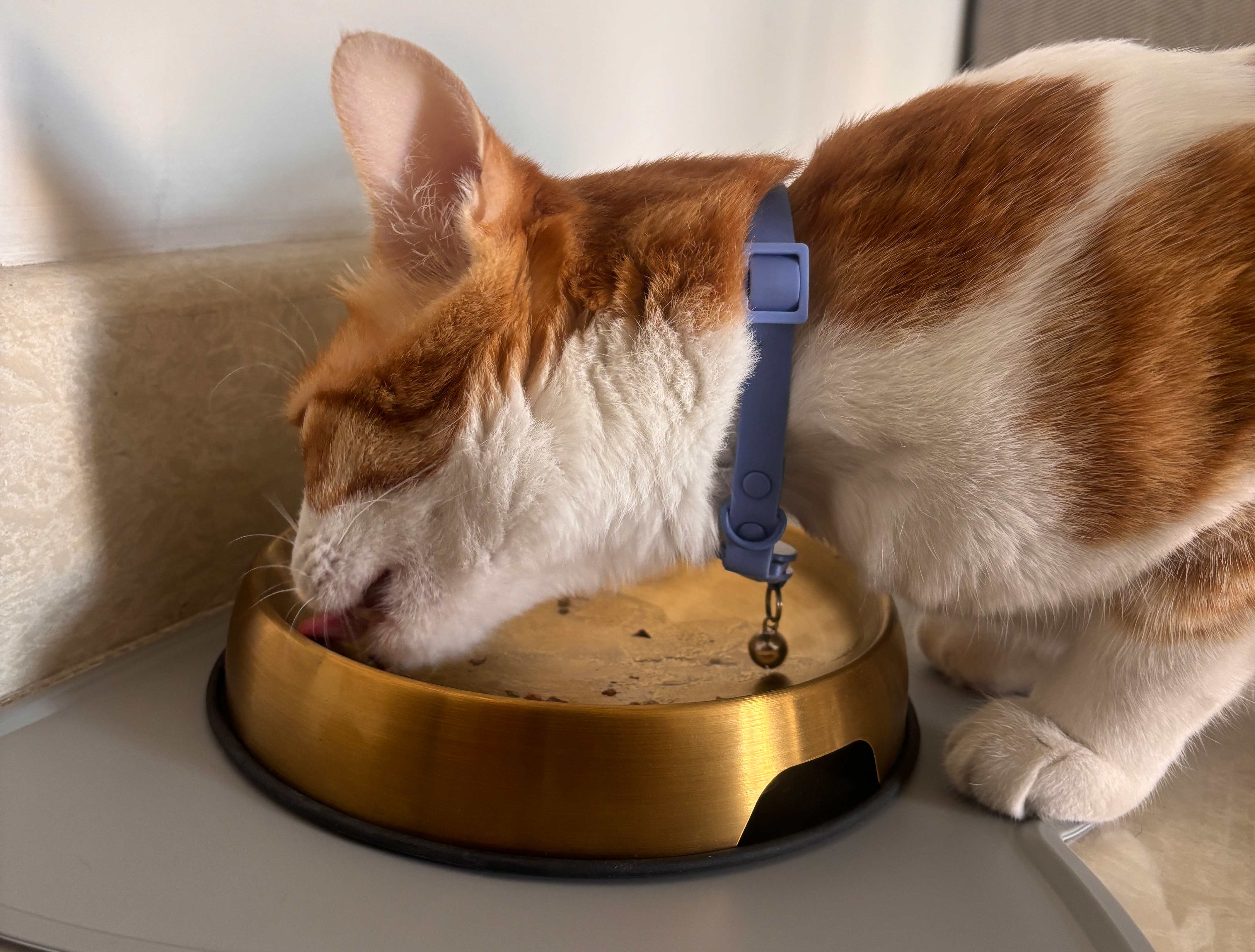
Whisker fatigue represents a genuine physiological concern affecting many domestic cats. Traditional deep bowls often cause whisker compression, leading to feeding avoidance and stress-related behaviors. Wide, shallow dishes prevent this discomfort while encouraging natural eating postures.
Stainless steel and ceramic materials provide superior hygiene compared to plastic alternatives. These materials resist bacterial colonization and maintain structural integrity through repeated sanitization cycles. Additionally, weight distribution in quality bowls prevents sliding during meal consumption.
Hydration Station Setup
Feline hydration requirements often exceed what traditional water bowls provide. Many cats prefer fresh, moving water sources that stimulate their natural drinking instincts. Consider incorporating both static and dynamic water sources to accommodate individual preferences.
Positioning water stations away from feeding areas mimics natural feline behavior patterns. In wild environments, cats typically locate water sources distant from hunting grounds to prevent contamination. This spatial separation encourages increased water consumption and supports renal health.
Creating a Comprehensive Comfort Zone
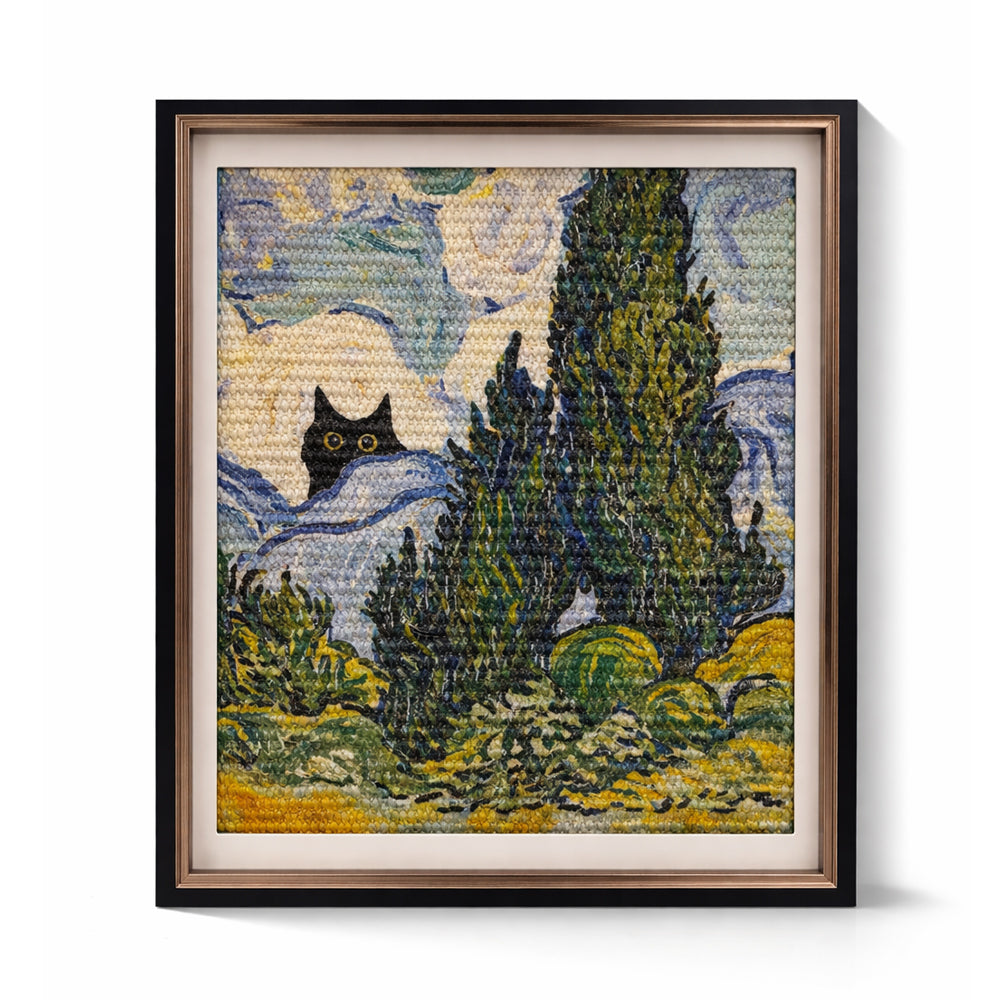
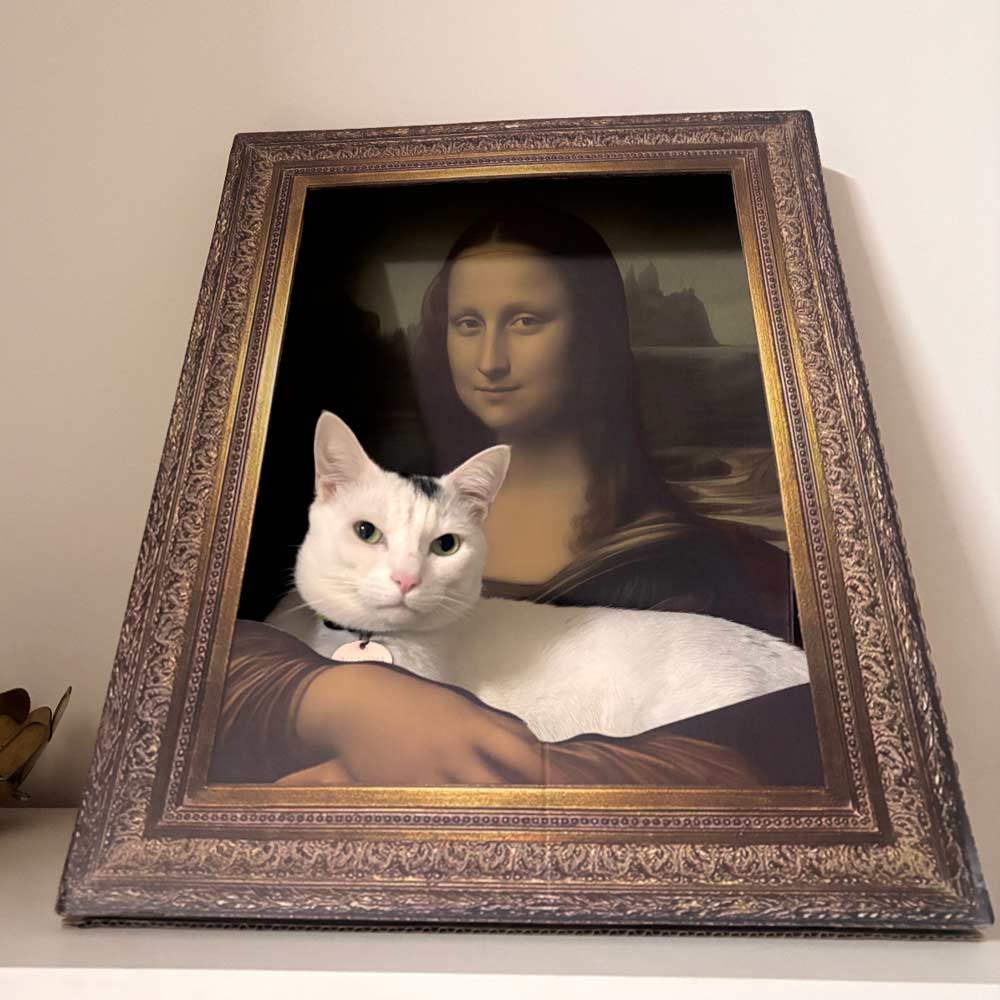
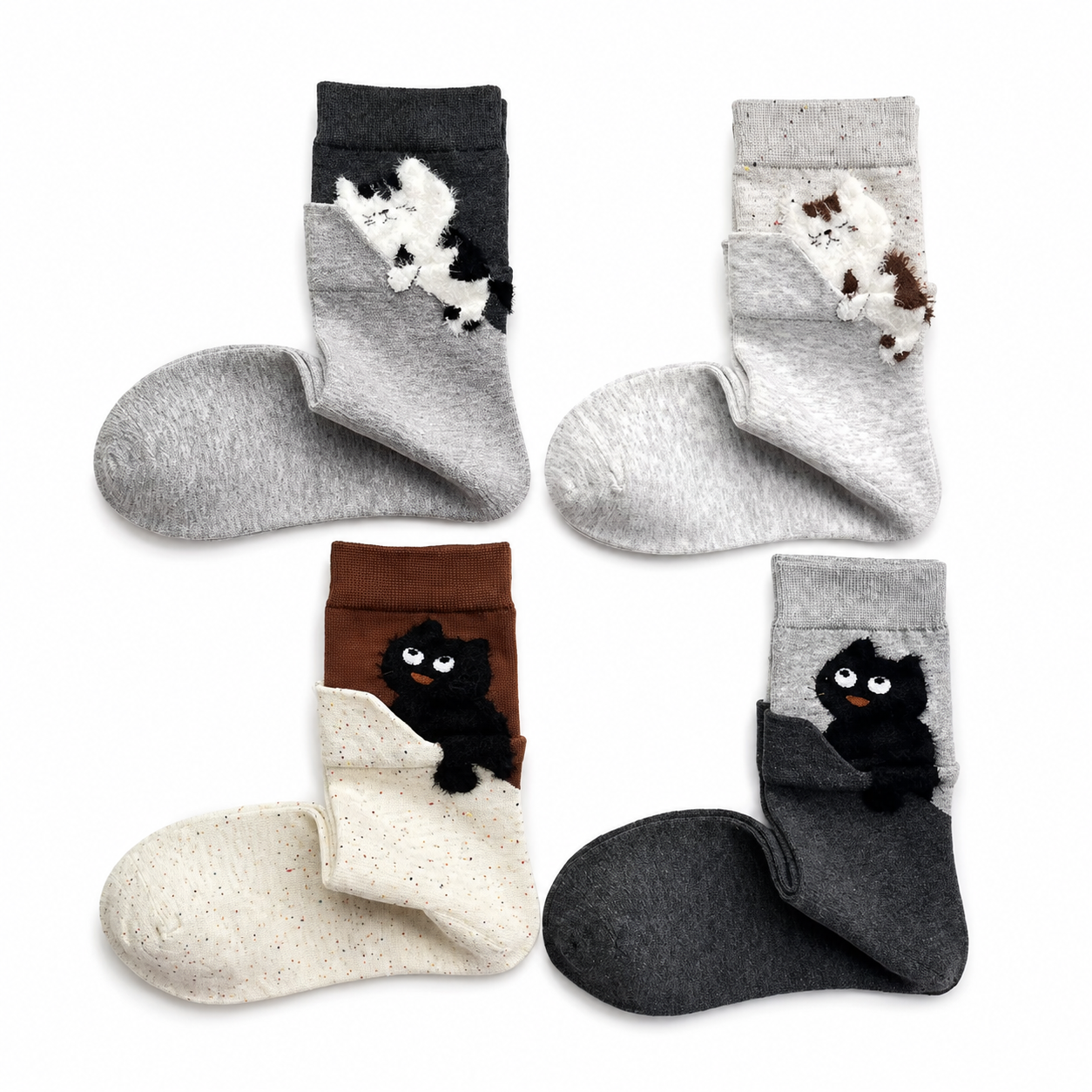
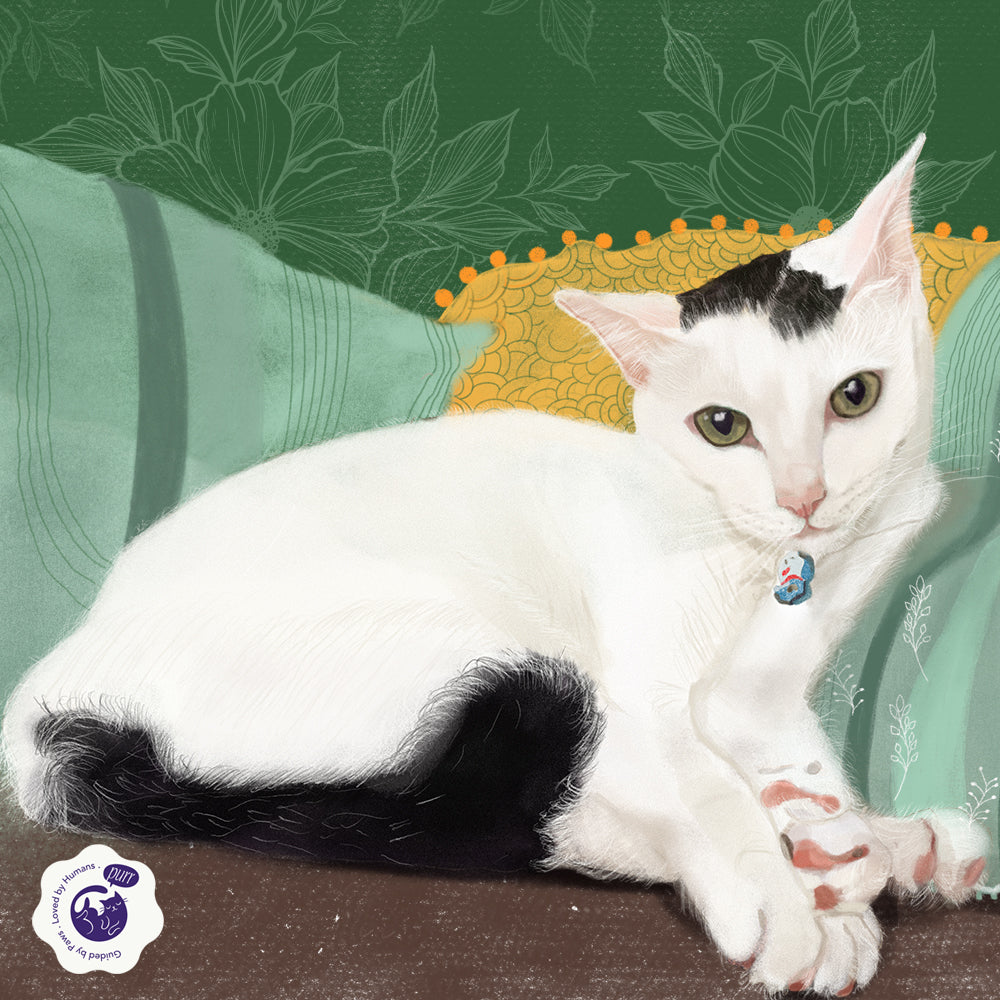
At SoulPurrpose, we understand that transitioning into cat parenthood requires thoughtful preparation and access to quality essentials. Our carefully curated Cat Essentials Collection brings together fundamental items that address your feline companion's core needs—from innovative scratchers that satisfy natural instincts to whisker-friendly bowls that promote comfortable feeding experiences.
This specialized collection eliminates the guesswork often associated with selecting appropriate feline accessories. Each product undergoes evaluation based on functionality, durability, and alignment with natural cat behaviors. Whether you're seeking ergonomic feeding solutions or engaging enrichment tools, this collection provides a streamlined approach to essential cat care procurement.
Rest and Recuperation Spaces
Feline sleep patterns differ significantly from human schedules, with cats requiring 12-16 hours of daily rest. Creating designated sleeping areas provides security while supporting natural circadian rhythms. Multiple resting locations throughout your living space accommodate territorial preferences and temperature regulation needs.
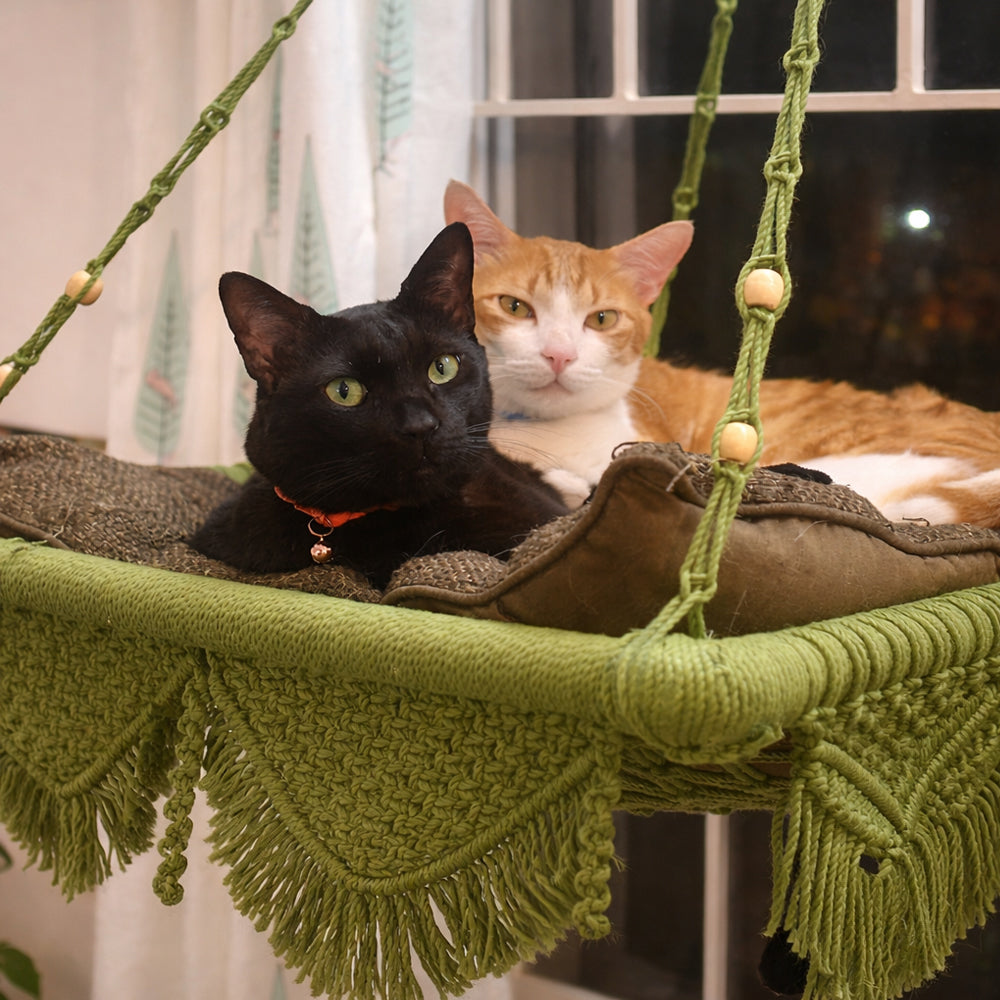
Elevated sleeping platforms appeal to cats' instinctual desire for vantage points. These positions offer security while enabling environmental monitoring—essential behaviors inherited from wild ancestors. Custom hammocks and perches satisfy these requirements while adding functional furniture elements to your home.
Behavioral Enrichment and Mental Stimulation
Environmental enrichment prevents behavioral deterioration commonly observed in under-stimulated indoor cats. Boredom manifests through destructive scratching, excessive vocalization, and inappropriate elimination patterns. Proactive enrichment investment prevents these costly behavioral modifications.
Scratching Infrastructure
Scratching represents more than furniture preservation—it constitutes essential feline behavior serving multiple physiological functions. This activity maintains claw health, stretches musculature, and deposits territorial pheromones through interdigital glands.
Unique scratching solutions should accommodate various scratching preferences including vertical, horizontal, and angled surfaces. Different textures and materials provide diverse sensory experiences while protecting household furnishings. Strategic placement near sleeping areas and entry points aligns with natural territorial marking behaviors.
"Environmental enrichment is not luxury—it's a biological necessity that prevents behavioral disorders and promotes psychological wellbeing in domestic cats."
Interactive Engagement Tools
Mental stimulation through interactive play sessions prevents cognitive decline and maintains physical fitness. Rotating toy selection prevents habituation while challenging different cognitive functions. Puzzle feeders combine nutrition with mental engagement, slowing consumption rates while providing enrichment.
Feather wands and laser pointers satisfy predatory instincts through controlled hunting simulations. However, always conclude laser sessions with tangible prey capture to prevent frustration-related behaviors. This completion provides psychological satisfaction essential for mental health maintenance.
Health and Safety Fundamentals
Preventive health measures extend beyond veterinary visits to encompass daily safety protocols and emergency preparedness. Establishing robust safety systems protects your investment in your feline companion's wellbeing while preventing costly emergency interventions.
Collar Safety and Identification Systems
Breakaway collar technology represents crucial safety innovation for both indoor and outdoor cats. Traditional collars pose strangulation hazards during normal exploratory behaviors. Breakaway mechanisms release under pressure while maintaining identification capabilities during routine activities.
Modern identification methods include both traditional tags and microchip technology. Redundant identification systems ensure reunion possibilities regardless of collar retention. Include current contact information and medical alerts for comprehensive identification coverage.
Grooming and Hygiene Maintenance
Regular grooming prevents matting, reduces shedding, and enables early detection of health abnormalities. Quality grooming tools accommodate different coat types while promoting bonding between cat and parent. Nail trimming equipment prevents overgrowth that can lead to painful ingrown claws or furniture damage.
Dental hygiene often receives inadequate attention despite its critical importance for overall health. Dental treats, specialized toothbrushes, and water additives support oral health maintenance between professional cleanings.
Transportation and Mobility Solutions
Veterinary visits and emergency situations require secure transportation solutions that minimize stress while ensuring safety. Carrier selection impacts your cat's perception of travel experiences and influences cooperation during necessary journeys.
Carrier Selection Criteria
Optimal carriers provide adequate ventilation while maintaining structural integrity under stress. Top-loading options facilitate easier placement of reluctant cats compared to front-loading alternatives. Removable tops enable veterinary examinations without complete removal from the carrier environment.
Size specifications should accommodate standing, turning, and lying positions without excessive spaciousness that could cause injury during sudden movements. Familiar bedding and pheromone sprays create positive associations with carrier experiences.
Litter Management Systems
Elimination behavior represents one of the most critical aspects of successful cat integration. Inappropriate elimination constitutes the primary reason for cat relinquishment, making litter system establishment absolutely essential for long-term success.
Litter Box Configuration
The general rule suggests providing one litter box per cat plus one additional box. This redundancy prevents territorial disputes and ensures availability during cleaning periods. Box dimensions should accommodate comfortable digging and turning movements.
| Cat Size | Minimum Box Length | Minimum Box Width |
|---|---|---|
| Kitten (under 6 months) | 18 inches | 14 inches |
| Average Adult | 24 inches | 18 inches |
| Large Breed | 30 inches | 22 inches |
Substrate Selection and Management
Litter substrate preferences vary among individual cats, requiring observation and potential experimentation. Clumping clay litters facilitate easier cleaning while controlling odors effectively. However, some cats prefer non-clumping alternatives or natural substrates like recycled paper or wood pellets.
Depth recommendations range from two to four inches, providing adequate digging material without waste. Deeper layers may discourage some cats while insufficient depth prevents natural burying behaviors.
Emergency Preparedness and First Aid
Responsible cat parenthood includes emergency preparedness that addresses both medical situations and natural disasters. Advance preparation prevents panic-driven decisions during crisis situations while ensuring appropriate resources remain readily available.
Essential First Aid Components
Basic first aid supplies enable initial intervention before veterinary consultation becomes possible. These supplies should include:
- Digital thermometer designed for rectal temperature measurement
- Sterile gauze pads and medical tape for wound management
- Hydrogen peroxide solution for emergency vomiting induction (only under veterinary guidance)
- Emergency veterinary contact information including after-hours facilities
- Recent photographs for identification purposes
Medication storage requires temperature-controlled environments away from moisture and direct sunlight. Regularly verify expiration dates and replace components as necessary to maintain kit effectiveness.
Frequently Asked Questions About Essential Cat Items
How much should new cat parents budget for initial essential purchases?
Initial investment typically ranges from $200-500 depending on quality preferences and brand selections. This investment amortizes over years of use while preventing more expensive problems caused by inadequate preparation. Prioritize safety-critical items like carriers and collars while gradually upgrading comfort items based on observed preferences.
When should essential items be replaced or upgraded?
Regular inspection schedules identify wear patterns before safety compromises occur. Scratching posts require replacement when substrate becomes ineffective or structural integrity diminishes. Feeding bowls need replacement if cracks develop that harbor bacteria, while carriers should be upgraded if damage affects security mechanisms.
Can essential items be purchased gradually after cat adoption?
While gradual acquisition may seem financially appealing, certain items require immediate availability. Carriers, litter systems, and basic feeding apparatus cannot be delayed without compromising animal welfare. Secondary items like additional scratching posts or specialized toys can be acquired based on observed behavioral patterns and preferences.
Building Long-Term Success Through Quality Investments
The transition into cat parenthood represents a significant lifestyle adjustment requiring patience, dedication, and proper preparation. Quality essential items form the foundation upon which successful human-feline relationships develop. Each carefully selected piece contributes to an environment where natural behaviors flourish while human convenience remains manageable.
Investment in appropriate essential items prevents common behavioral problems that often strain the human-animal bond. Cats provided with adequate scratching opportunities rarely damage furniture inappropriately. Similarly, properly designed feeding stations promote healthy eating habits while preventing food-related stress behaviors.
Remember that individual cats may exhibit preferences requiring customization of your essential items selection. Observation and adaptation characterize successful long-term cat parenthood. Your initial selections provide the baseline from which you can refine and expand based on your specific feline companion's demonstrated needs and preferences.
The joy of sharing your life with a feline companion intensifies when both parties feel comfortable and secure in their shared environment. Through thoughtful essential item selection, you create the foundation for years of mutual companionship and satisfaction.
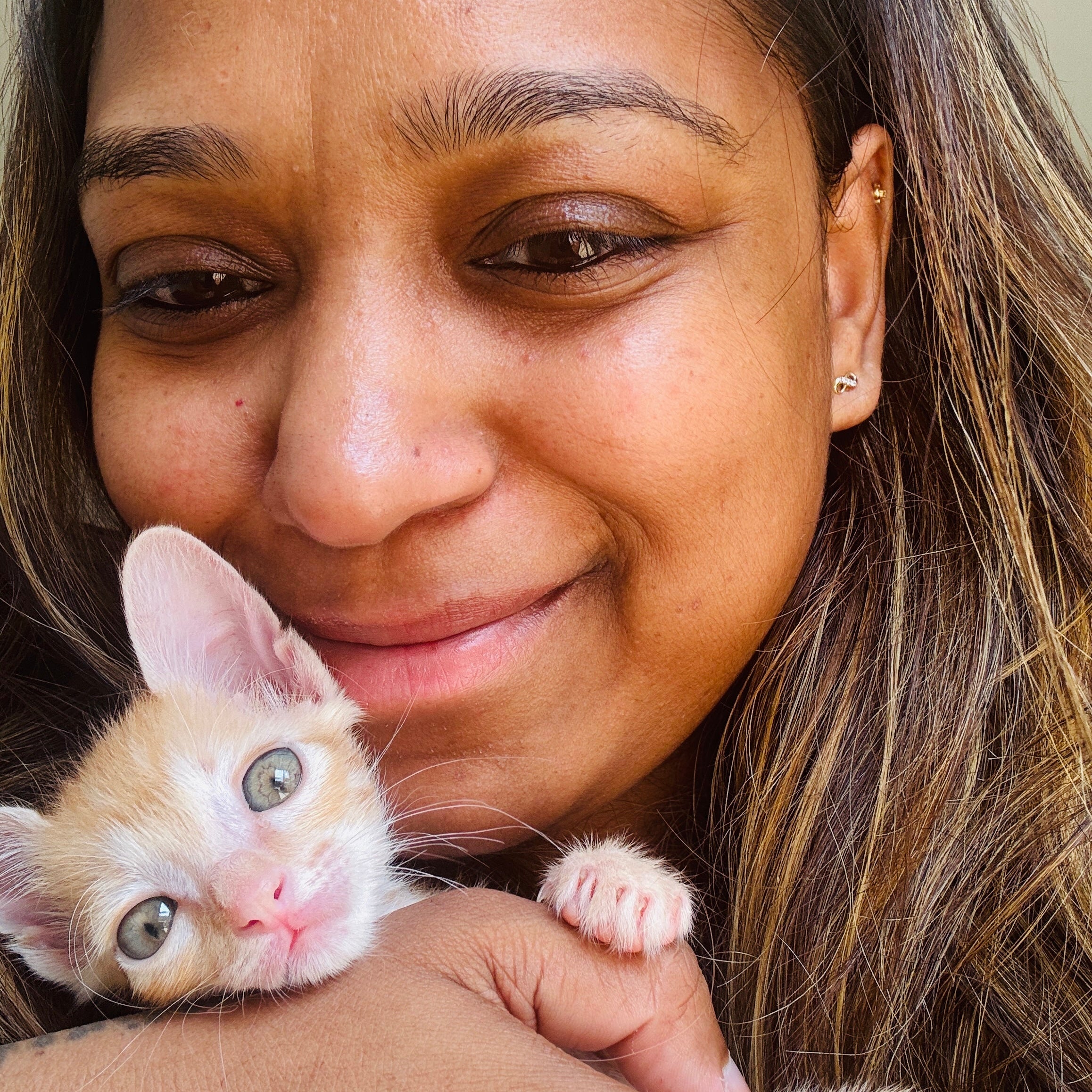
Written by Soulpurrpose .
Varsha Saxena, Founder of Soulpurrpose

Leave a comment
This site is protected by hCaptcha and the hCaptcha Privacy Policy and Terms of Service apply.