


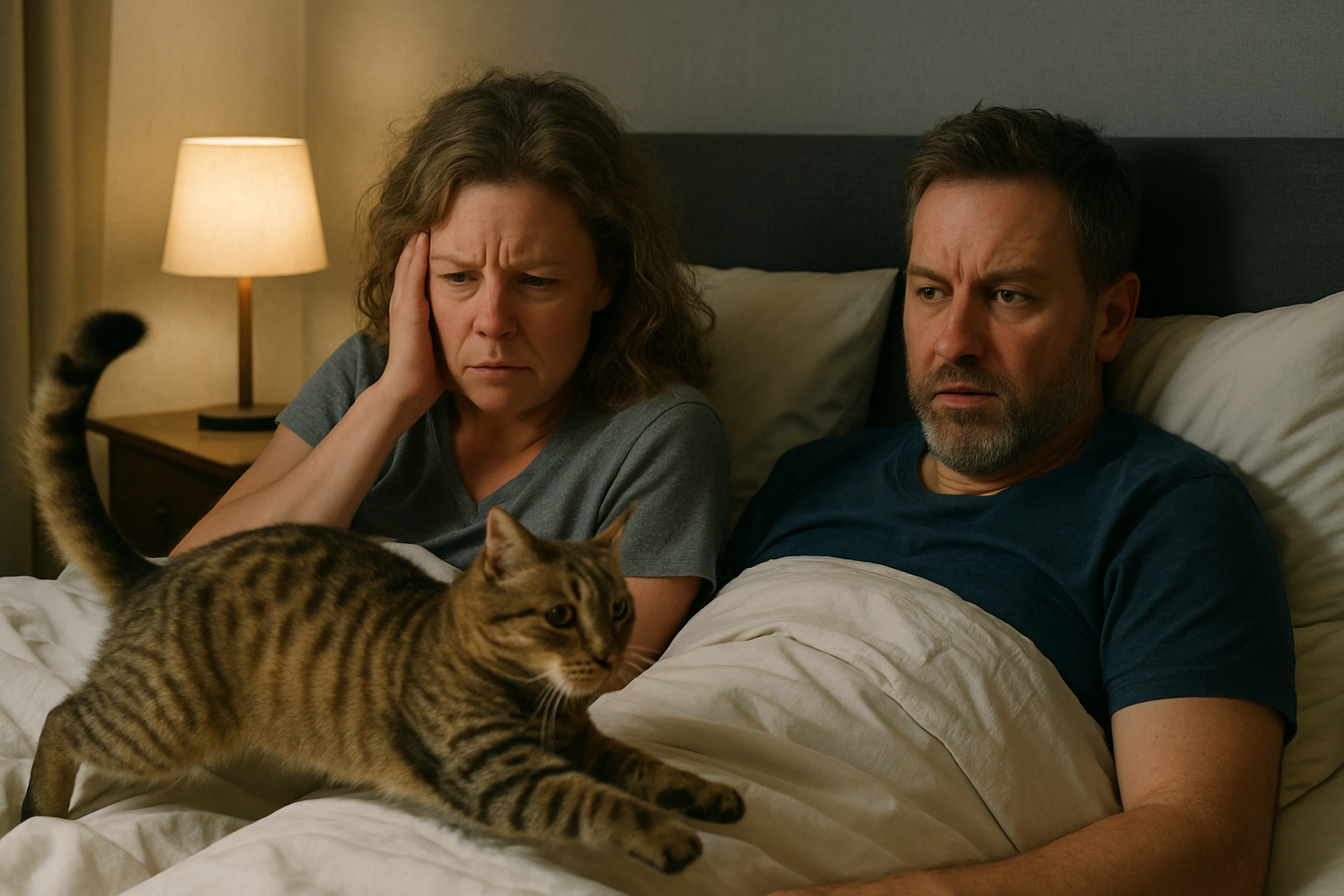
Cat Parents Survival Guide For Midnight Zoomies
Understanding Your Cat's Nocturnal Energy Surge
As devoted cat parents, we've all experienced that familiar thundering of tiny paws across hardwood floors at 3 AM. Your feline companion transforms from a serene lap warmer into a kinetic whirlwind of pure energy. This phenomenon, affectionately dubbed "midnight zoomies," represents your cat's natural crepuscular instincts manifesting in your domestic environment.
The scientific term for these explosive energy bursts is Frenetic Random Activity Periods (FRAPs). Your cat's ancestors were most active during dawn and dusk hours when prey was abundant. Despite millennia of domestication, this primordial programming remains deeply embedded in your cat's neurological framework.
"Cats experience peak activity levels during twilight hours, which explains why your peaceful evening routine suddenly transforms into a feline Olympics showcase."
The Biology Behind Midnight Mayhem
Your cat's internal chronometer operates differently from yours. While you're winding down for restful slumber, your feline friend's metabolic processes are revving up. Elevated cortisol levels and heightened sensory awareness create the perfect storm for nocturnal athleticism.
Melatonin production in cats peaks at different intervals than humans. This hormonal discrepancy explains why your cherished companion suddenly develops superhuman agility just as you're settling into dreamland. Understanding this biological reality helps cat parents approach midnight zoomies with patience rather than frustration.
Environmental Triggers That Amplify Nighttime Activities
Several environmental factors can intensify your cat's nocturnal energy expenditure. Insufficient daytime stimulation often culminates in explosive evening performances. Your cat accumulates pent-up energy throughout sedentary daylight hours, then releases it in concentrated bursts.
Temperature fluctuations also influence feline activity levels. Cooler evening air can invigorate your cat's system, particularly if your home becomes stuffy during warmer daytime periods. Additionally, reduced household noise levels allow cats to hear subtle sounds that trigger their hunting instincts.
Dietary Considerations and Meal Timing
Feeding schedules significantly impact your cat's energy patterns. Large meals consumed before bedtime can create digestive energy spikes. Consider redistributing your cat's daily caloric intake across smaller, more frequent portions to minimize dramatic energy fluctuations.
The quality of nutrition also matters tremendously. High-carbohydrate diets can cause blood sugar oscillations that manifest as hyperactive episodes. Premium protein sources provide steadier energy release, potentially reducing the intensity of midnight performances.
Strategic Interventions for Exhausted Cat Parents
Implementing targeted strategies can help harmonize your cat's natural rhythms with your household's sleep schedule. Interactive play sessions scheduled approximately two hours before your intended bedtime can help deplete excess energy reserves.
Creating designated play zones equipped with engaging cat scratchers allows your feline companion to exercise natural behaviors without disrupting your slumber. Vertical climbing structures provide opportunities for athletic expression while containing the chaos to specific areas.
The Power of Structured Play Therapy
Engaging your cat in vigorous play sessions using feather wands or laser pointers can simulate hunting scenarios that satisfy predatory instincts. The key lies in timing these sessions strategically to align with your cat's natural energy cycles.
Rotate toys frequently to maintain novelty and interest. Cats quickly become habituated to familiar stimuli, so introducing new textures, sounds, and movements keeps engagement levels high. Consider puzzle feeders that transform mealtime into mental and physical exercise.
Environmental Enrichment Solutions
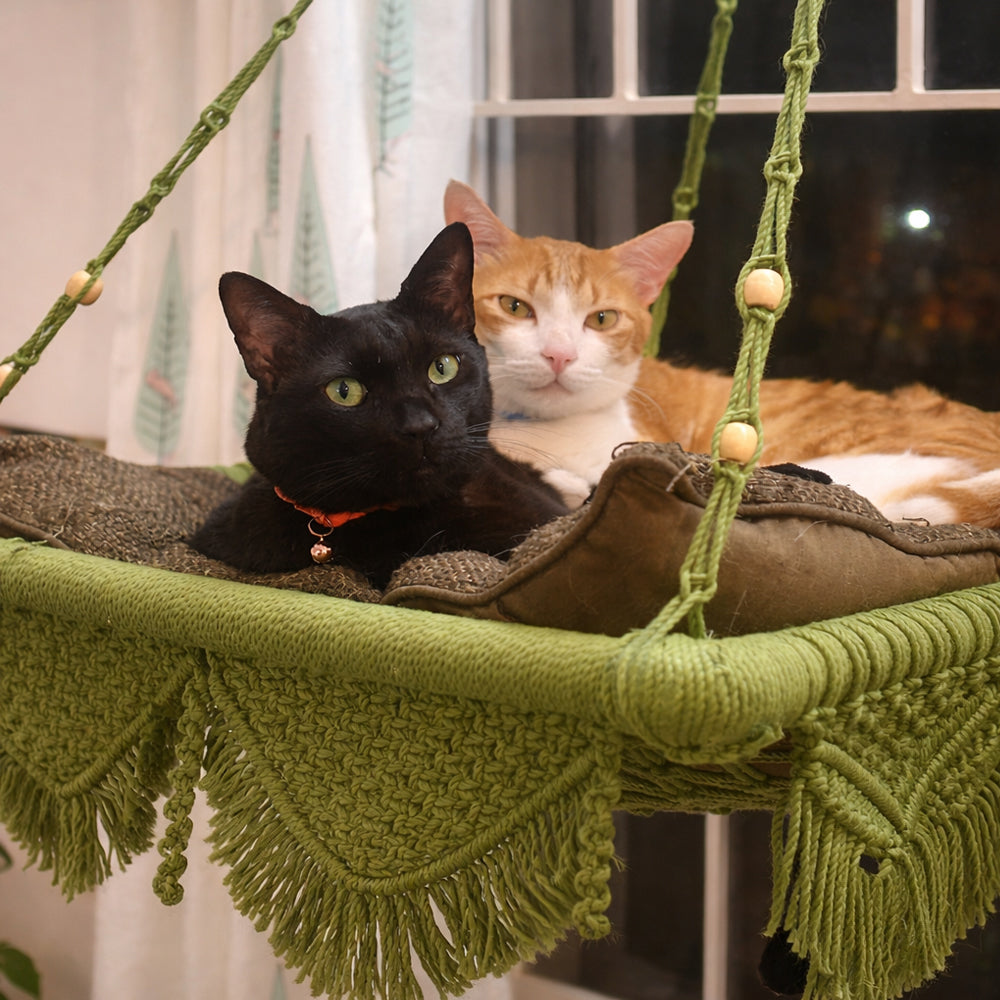
Transform your living space into a feline paradise that accommodates natural behaviors without compromising your sleep quality. Window perches provide entertainment through wildlife observation, while cat hammocks offer elevated resting spots that satisfy territorial instincts.
| Enrichment Tool | Purpose | Best Placement |
|---|---|---|
| Interactive Scratchers | Claw maintenance and stretching | Near favorite resting spots |
| Puzzle Feeders | Mental stimulation during meals | Quiet dining areas |
| Climbing Trees | Vertical territory exploration | Central living spaces |
Managing Your Expectations and Emotional Response
Accepting midnight zoomies as normal feline behavior represents the first step toward peaceful coexistence. Your cat isn't deliberately sabotaging your sleep schedule. They're simply expressing deeply ingrained biological imperatives that served their ancestors well in wild environments.
Reframing these episodes as endearing quirks rather than behavioral problems reduces stress for both you and your feline companion. Cats are remarkably sensitive to human emotions, and your frustration can actually amplify their hyperactive episodes.
Safety Considerations During Nocturnal Adventures
Ensure your home environment remains safe for midnight acrobatics. Remove fragile decorative items from accessible surfaces and secure loose cords that might become entanglement hazards. Consider using breakaway cat collars if your feline wears identification tags to prevent catching on furniture during enthusiastic sprints.
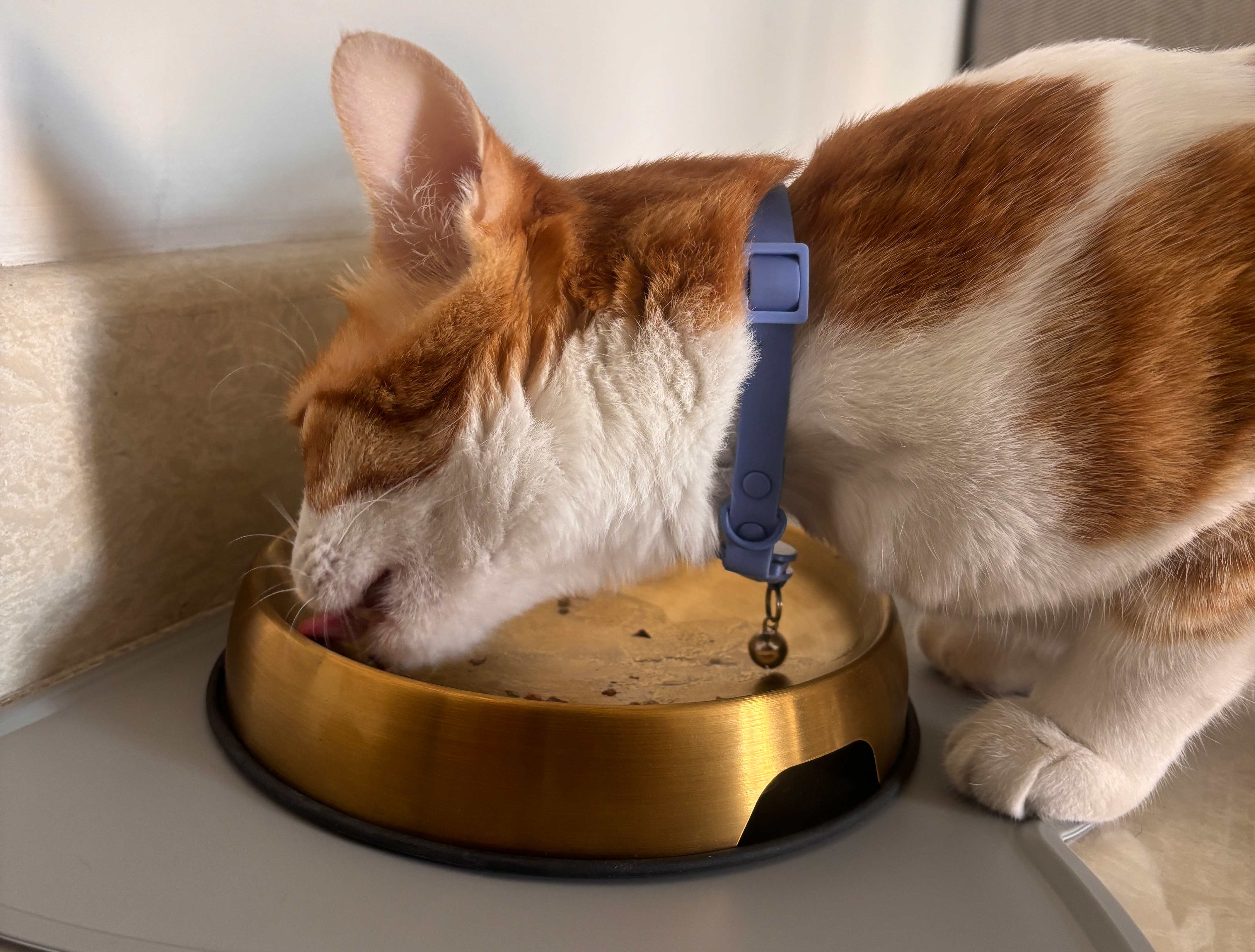
Whisker-friendly food and water bowls should remain accessible throughout the night, as intense activity often generates thirst and hunger. Shallow, wide dishes prevent whisker fatigue while accommodating your cat's hydration needs during active periods.
When to Consult Veterinary Professionals
While midnight zoomies typically represent normal behavior, certain warning signs warrant professional evaluation. Sudden onset of hyperactivity in previously sedentary cats might indicate underlying medical conditions requiring attention.
- Excessive vocalization accompanying zoomies
- Destructive behavior beyond normal play
- Signs of distress or disorientation
- Changes in appetite or litter box habits
- Aggressive behavior toward humans or other pets
Age-Related Considerations
Senior cats experiencing sudden increases in nocturnal activity might be exhibiting signs of cognitive dysfunction or pain-related restlessness. Conversely, young kittens naturally display more intense energy bursts that typically moderate with maturity.
Regular veterinary checkups help distinguish between normal behavioral variations and potential health concerns. Your veterinarian can provide personalized guidance based on your cat's individual history and current condition.
Building Long-Term Harmony in Your Household
Successfully navigating midnight zoomies requires patience, understanding, and strategic environmental modifications. Remember that your cat's nocturnal adventures often decrease in intensity as they age and establish more predictable routines.
Creating a cat-friendly environment with appropriate outlets for natural behaviors benefits both your feline companion's wellbeing and your household's tranquility. Quality cat furniture, engaging toys, and consistent routines form the foundation of harmonious coexistence.
As dedicated cat parents, embracing your feline's unique personality traits strengthens your bond while fostering mutual respect. Those midnight moments of chaos often transform into cherished memories of your cat's vibrant spirit and zest for life.
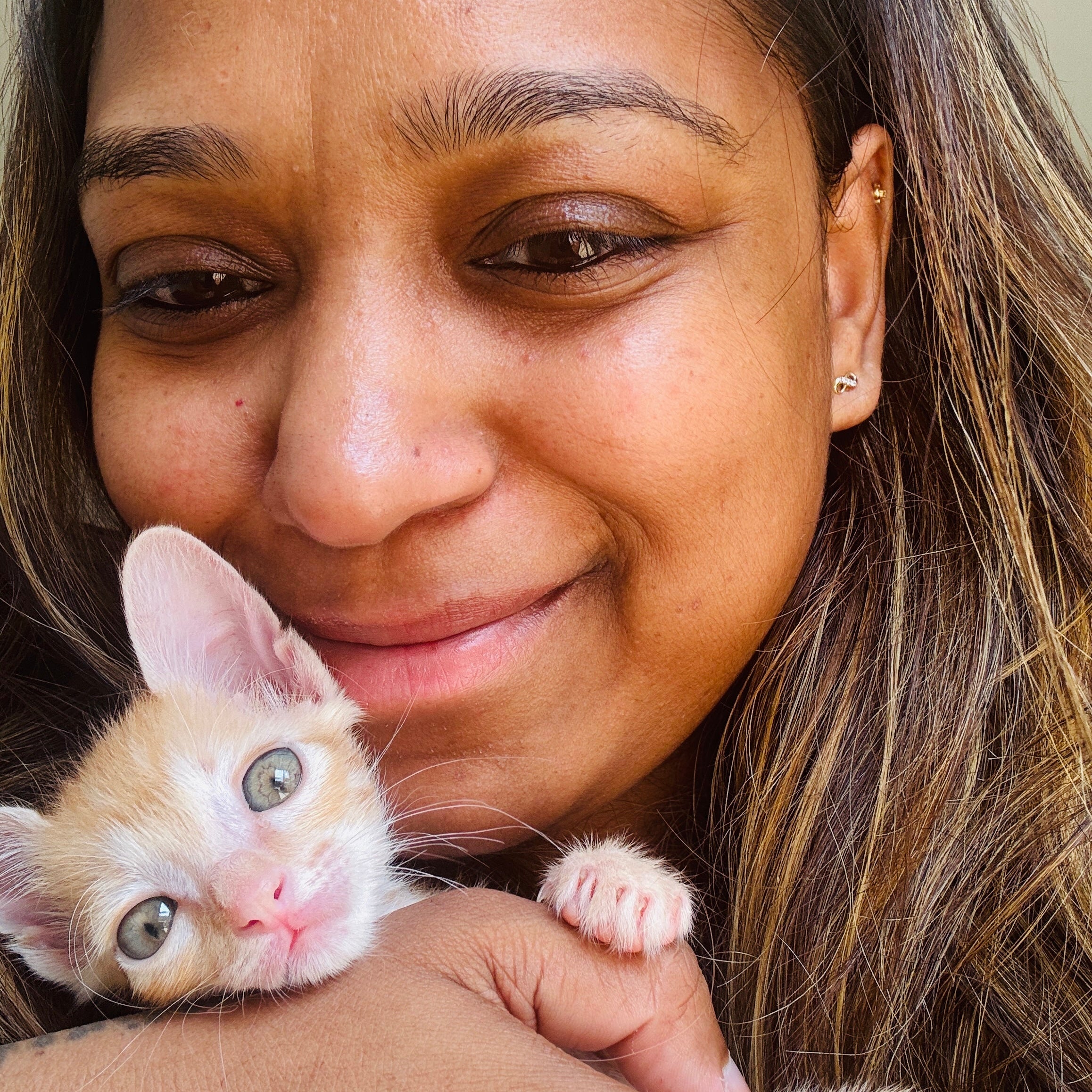
Written by Soulpurrpose .
Varsha Saxena, Founder of Soulpurrpose

Leave a comment
This site is protected by hCaptcha and the hCaptcha Privacy Policy and Terms of Service apply.