

How to Create the Perfect Cat-Friendly Reading Nook
Understanding Your Feline's Reading Sanctuary Preferences
To make a peaceful bibliophilic space that works for both your love of books and your cat's need to mark its territory, you need to be very aware of how your cat behaves. Cats tend to like places that have a lot of sensory benefits, like high places where they can watch things, warm areas where they can relax, and rough surfaces that satisfy their natural need to scratch.
The places where your cat likes to read often reflect where they came from in the wild. They look for high places where they can see their whole territory and still have easy ways to get away. Think about how your cat sits or lies down while you read right now. Do they like sunny windowsills, soft armchair corners, or maybe the strategic space under your reading chair where they can keep an eye on foot traffic?
Keeping the right temperature is very important for cats' comfort. Cats naturally look for heat because their bodies are warmer than ours. Your reading nook should have things that use the natural warmth of sunlight or being close to heating sources to make microclimates that meet your cat's thermoregulatory needs.
Essential Design Elements for Dual-Purpose Literary Spaces
Vertical Territory Integration
Maximizing vertical space in real estate turns regular reading corners into three-dimensional cat kingdoms. Wall-mounted shelving systems do two things: they show off your books and give your cat places to climb and explore. These high roads let cats move around their territory without getting in the way of your reading.
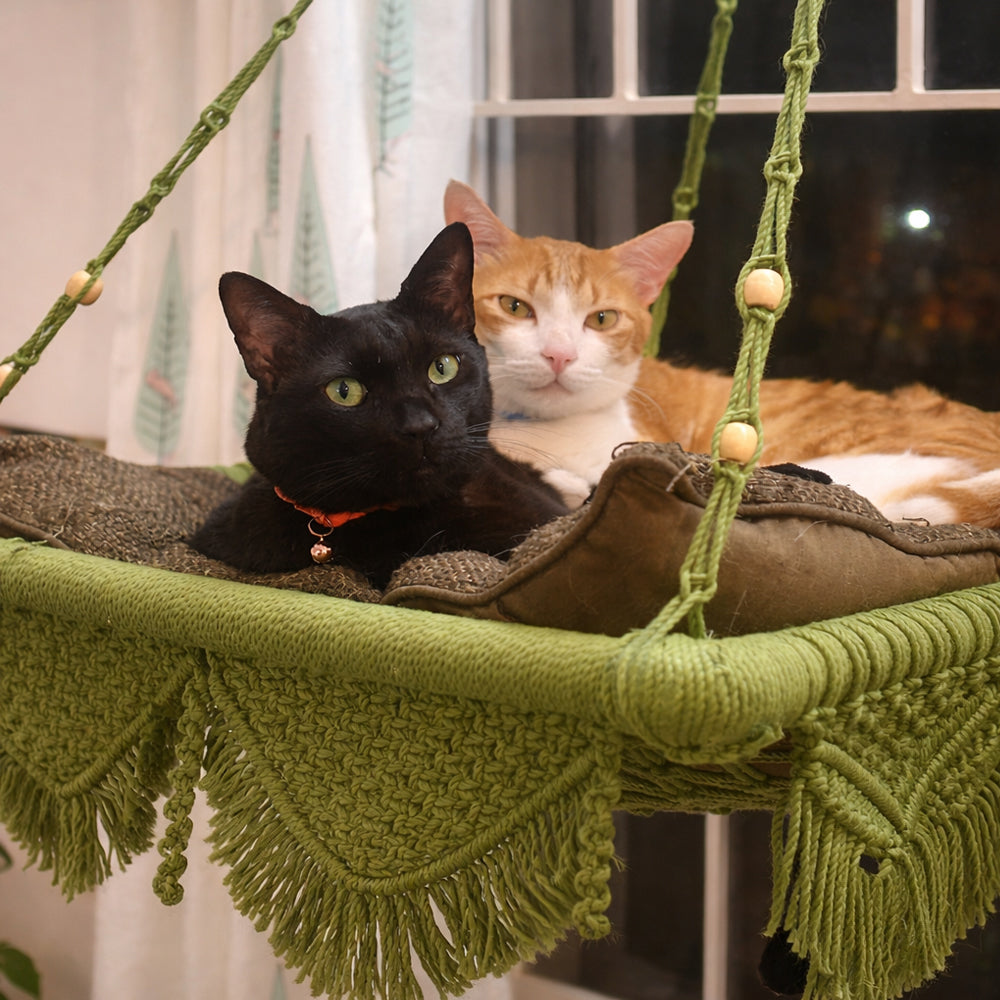
Custom cat hammocks set at different heights make great places for cats to watch. These hanging areas give cats the high-up view they want while still letting them be close to the people who are reading with them. Hammocks' gentle rocking motion often puts cats in a meditative state, which helps them get along for longer periods of time.
When designing a reading space that is cat-friendly, window perches should be given special attention. These installations satisfy your cat's natural need to keep an eye on the environment and give them something to do by letting them watch birds and keep an eye on the neighborhood.
Choosing and arranging furniture
When picking out furniture, you need to think carefully about how it will work for both people and cats. Cats that like to be close to their people can perch on the wide armrests of reading chairs. Ottoman combinations let you change the way you sit while also giving your cats more places to lie down.
Choosing the right fabric affects how long it lasts and how good it looks. Textiles with the right weave densities can resist claw damage and feel good to the touch. Microfiber and tightly woven cotton blends are excellent middle-of-the-road options for comfort for people and durability for cats. The best reading nook doesn't keep your cat out; instead, it welcomes them as an important part of your reading journey.
Aesthetic Scratching Solutions That Go Well With Your Style
Adding scratching posts to your reading area keeps your furniture safe and lets your cat do what comes naturally to them: keep their claws sharp. Cat scratchers that are both functional and attractive can improve your carefully chosen reading space instead of making it worse.
Sisal-wrapped table legs turn useful furniture into scratching posts. This integration keeps the design lines clean while giving cats the right places to scratch. For cats who like to scratch in different ways, horizontal scratching boards under reading chairs give them options at ground level.
Modern scratchers have geometric shapes and neutral color schemes that go well with modern home decor. These sculptural pieces are both functional and artistic, showing that pet accessories don't have to look cheap or tacky.
Making Comfort Zones with Smart Accessories
Optimizing Temperature and Lighting
The way the lights are set up has a big effect on how well you can read and how comfortable your cat is. Natural light sources keep cats warm and interested in their surroundings, and they also help reduce eye strain during long reading sessions. Adjustable lighting fixtures can be changed to fit different daylight conditions and personal tastes.
Strategically placing heated pet beds or self-warming materials can make thermal comfort zones better. These things make it possible for cats to have their own spaces without having to share human seating while still being close enough to bond with each other.
Integration of the feeding station
Bowls that are friendly to whiskers are placed in the reading area so that cats can drink water easily while also protecting their sensitive facial whiskers. Elevated feeding stations make it easier on your neck and keep the eating area cleaner without ruining the atmosphere of your literary sanctuary.
Water fountain features give you access to fresh water all the time and add calming sounds to the environment that make reading more enjoyable. These useful parts meet the needs of both species: they keep cats hydrated and provide white noise for people to focus.
Things to think about for safety in shared reading spaces
Safety rules make sure that your reading nook is safe for cats who want to explore. Breakaway cat collars help you find your cat if they get lost and also keep them from choking if they get stuck in furniture or other things while they are exploring.
Cord management systems keep cats safe from the electrical dangers that come with reading lamps and other electronic devices. Using cord covers and keeping loose cables out of reach stops dangerous chewing behaviors while keeping things looking neat.
When choosing plants, you need to be very careful because many common houseplants can be toxic to cats. Look into plants that are safe for cats and will make your reading space better without hurting your pet.
| Safety Element | Purpose | Implementation |
|---|---|---|
| Cord Management | Prevent chewing hazards | Cable covers, cord organizers |
| Secure Shelving | Prevent climbing accidents | Wall anchors, stable mounting |
| Non-toxic Plants | Avoid poisoning risks | Cat grass, spider plants |
Maintenance and Hygiene Best Practices
To keep shared spaces clean, you need to pay attention to the hygiene needs of both people and cats on a regular basis. Regularly vacuuming gets rid of cat hair and dander that builds up on reading furniture and the areas around it. High-quality air purification systems keep the air fresh while getting rid of allergens.
Washable furniture covers are a practical way to keep pet hair under control while also protecting the upholstery underneath. These parts can be taken off for easy cleaning without ruining the overall look of the design.
Setting up cleaning schedules that include both daily upkeep and deep cleaning will keep your reading sanctuary welcoming for long periods of time. Keeping food and water stations clean on a regular basis stops bacteria from growing and keeps things clean.
Adaptations and flexibility for the seasons
Changing your cat-friendly reading area to fit the seasons keeps it comfortable all year long. Changes made in the summer might include more ventilation and cooling elements, while modifications made in the winter might include more heating elements and protection from drafts.
Flexible furniture arrangements make it easy to change things up based on your needs and the time of year. Modular seating options can be rearranged based on changing weather patterns, temperature changes, and how people use them.
Storage options for seasonal accessories help you keep your unique items organized and simple to find. Rotating toys, blankets, and comfort items keeps kids from getting bored and keeps the space useful.
Questions that people often ask about reading spaces that are beneficial for cats
What measures can I take to prevent my cat from walking on my book while I am reading?
Put nearby elevated surfaces that provide you the same view. Cats often walk on books to reach higher places or attract attention. Putting cat trees or shelves in the right places can change this behavior.
How far apart should cat furniture and people seating be?
Keep feeding stations and seating areas at least 3 to 6 feet apart to keep spills from happening and to let cats interact with each other. This distance keeps most cats content with their territory while also keeping people comfortable.
Do reading nooks require multiple cat beds in homes with a single feline occupant?
Yes, cats like having options and often switch between their favorite places depending on the time of day, the temperature, and their mood. Having more than one option stops fights over territory and lets people change their minds.
Place scratching posts close to reading chairs to prevent scratches on the furniture.
For variety, include scratching surfaces that are both horizontal and vertical.
To keep the environment interesting, change out toys often.
When planning vertical elements, think about how old and mobile your cat is.
If you need to separate spaces, put up safety gates.
Making the perfect reading space for cats means finding a balance between what people need to read and how cats behave. You can make a literary sanctuary that improves your reading experience instead of ruining it by carefully choosing the right furniture, placing it in the right places, and paying attention to the comfort needs of both species. Adding the right cat toys, safety measures, and cleaning routines will help your shared bibliophilic haven last longer and be more enjoyable, ensuring that both you and your cats can relax and engage with your reading materials without distractions or hazards. hazards. enjoyable, ensuring that both you and your cats can relax and engage with your reading materials without distractions or hazards. #Soulpurrpose
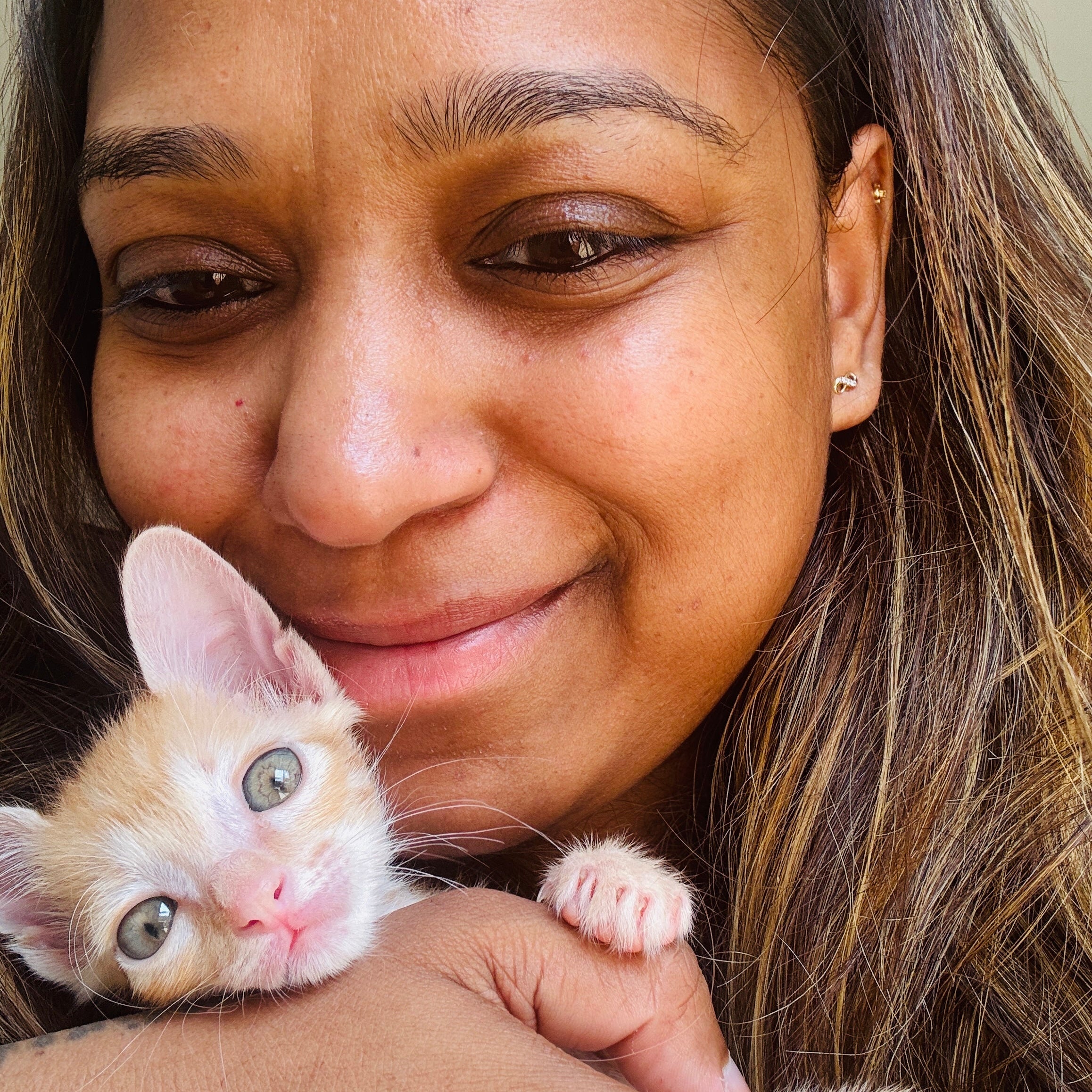
Written by Soulpurrpose .
Varsha Saxena, Founder of Soulpurrpose

Leave a comment
This site is protected by hCaptcha and the hCaptcha Privacy Policy and Terms of Service apply.